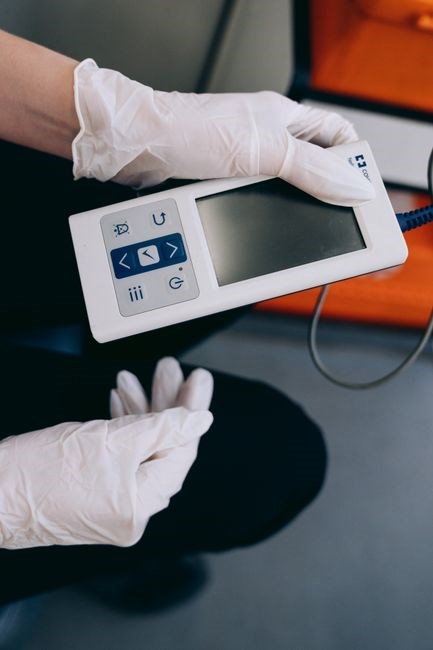
Welcome to the RELiON Platinum Manual, your comprehensive guide to the wireless blood glucose monitoring system. This manual covers setup, safety, and daily use, ensuring accurate readings and reliable performance. Follow the instructions closely for results. Follow guidelines for optimal device care
Purpose and Scope
The RELiON Platinum Manual serves as the definitive reference for users, technicians, and healthcare professionals engaged with the RELiON Platinum Wireless Blood Glucose Monitoring System. Its primary purpose is to provide clear, step‑by‑step instructions that enable safe and accurate operation, from initial setup through routine maintenance and troubleshooting. The manual covers device functionality, wireless connectivity, data management, and data log, ensuring users understand how to achieve reliable glucose readings in a variety of clinical and home settings. By detailing safety precautions, contraindications, and proper usage protocols, the manual aims to minimize user error and prevent adverse events. It also outlines the scope of the system’s capabilities, including supported test strips, battery life, and data export options, while highlighting limitations such as the device’s in vitro diagnostic nature and the need for periodic calibration. This guide is intended to support both novice and experienced users, promoting confidence in the system’s performance and fostering best practices for patient care. Additionally, the manual explains the legal and ethical responsibilities associated with handling patient data, the importance of maintaining device hygiene, and the procedures for reporting any device malfunctions to the manufacturer. It also provides guidance on integrating the system with electronic medical records, ensuring seamless data flow and compliance with healthcare regulations. Finally, the manual emphasizes continuous education, encouraging users to stay updated on firmware updates, new test strip releases, and evolving clinical guidelines to maintain optimal care standards. Updated soon!

Audience and Prerequisites
Designed for patients, caregivers, and clinical staff who require reliable, wireless glucose monitoring, the RELiON Platinum Manual assumes a foundational understanding of blood glucose testing. Users should be comfortable handling lancets, applying test strips, and interpreting numeric results. The guide also targets individuals who will manage data through the companion mobile app, so basic smartphone operation, Wi‑Fi or Bluetooth connectivity, and data‑sharing permissions are prerequisites. Healthcare professionals must be familiar with the device’s in‑vitro diagnostic purpose and the regulatory requirements for patient data handling. Prior to use, ensure that the device’s battery is fully charged, the latest firmware is installed, and the test strips are within their expiration date. The manual also recommends a stable power source and a clean, well‑lit workspace to minimize user error. Finally, users should read the safety warnings and contraindications sections to understand potential risks associated with improper use. Additionally, users should maintain a log of test dates, times, and results, and review trends with their healthcare provider to adjust treatment plans accordingly. The manual also explains how to update firmware via the app, ensuring that the device benefits from the latest accuracy improvements and security patches. All instructions are clear, concise, and quick to learn today! Now
Device Overview
The RELiON Platinum is a compact, wireless glucose meter that pairs with a smartphone app via Bluetooth. It delivers rapid, accurate readings, stores data, and syncs with cloud services for trend analysis. Its ergonomic design supports easy handling and portability. Mobile use.
System Components
The RELiON Platinum system comprises several key elements that work together to provide reliable glucose monitoring. The central unit is a lightweight, battery‑powered meter that displays results on a high‑contrast screen. It includes a built‑in Bluetooth module for seamless data transfer to a companion mobile application. The meter is paired with a detachable lancet device that offers adjustable lancet depth and a safety guard to protect users during finger‑stick sampling. Test strips are specially formulated for the Platinum’s enzymatic reaction chemistry, ensuring accurate glucose readings across a wide range of concentrations. A rechargeable lithium‑ion battery powers the meter, with a USB‑C charging port and a quick‑charge indicator. The system also comes with a protective carrying case that houses the meter, lancet, strips, and a small supply of spare batteries. The accompanying mobile app, available on iOS and Android, receives data via Bluetooth, stores test histories, and syncs with cloud services for trend analysis and sharing with healthcare providers. Together, these components create a user‑friendly, portable solution for daily glucose management. For optimal performance, users should regularly calibrate the meter using the supplied calibration kit, replace test strips before expiration, and keep the device in a dry environment to prevent moisture damage. The system’s firmware updates can be downloaded via the app, ensuring the latest algorithmic improvements and security patches are applied automatically. All set now!!

Wireless Connectivity
The RELiON Platinum system employs a low‑power Bluetooth 5.0 module that establishes a secure, encrypted link between the meter and the user’s smartphone or tablet. When the meter is powered on, it broadcasts a unique identifier that appears in the companion app’s device list. Pairing requires a one‑time confirmation code displayed on the meter’s screen, ensuring that only the intended device can receive data. Once paired, the meter automatically synchronizes each test result within seconds, logging the timestamp, glucose value, and any user‑entered notes. The app stores data locally and, if the user opts in, uploads it to a cloud server for longitudinal trend analysis. The connection is maintained even when the meter is in standby mode, allowing the user to check recent readings without re‑pairing. If the Bluetooth signal is interrupted—due to distance, interference, or battery depletion—the meter queues results and resends them when the connection is re‑established. Firmware updates for the meter and app are delivered over the same Bluetooth channel, ensuring that security patches and algorithmic improvements are applied without the need for physical media. Users should keep the meter’s firmware current by enabling automatic updates in the app settings. The system also supports multidevice pairing, allowing a single meter to share data with three smartphones, which is useful for monitoring glucose trends. All data transmissions comply with HIPAA-level encryption standards, protecting privacy during communication. Easy to use now.

Safety and Precautions
Ensure the meter is kept dry and away from extreme temperatures. Do not expose it to water or high humidity, as this can damage the internal circuitry. Keep the device out of reach of children and pets. Store in a cool, dry place when not in use. If the meter shows a fault code, contact support immediately
General Safety Instructions
The RELiON Platinum system is designed for use with technique forjust accurate results.
Keep the meter’s battery charged and replace it when the indicator shows low power.
Regularly clean the sensor area with a mild antiseptic to prevent contamination.
If the meter shows an error, consult the guide or contact support for assistance immediately now.
Follow the manufacturer’s guidelines for calibration and maintenance to ensure consistent, reliable performance over time now.
Before using the RELiON Platinum Wireless Blood Glucose Monitoring System, read all safety warnings carefully. Keep the meter in a dry, cool environment; avoid exposure to temperatures above 40 °C or below 0 °C, as extreme heat or cold can impair sensor accuracy and damage the device. Do not immerse the meter in water or other liquids, and do not place it near sources of moisture such as showers or humidifiers. Store the device in its original packaging or a sealed pouch when not in use to protect it from dust and accidental drops.
Conducting a blood glucose test involves using a lancet to obtain a small blood sample, placing it on a test strip, and inserting the strip into the meter. The meter reads the glucose level within seconds. Follow the manufacturer’s instructions for lancet depth and strip handling. After each test, clean the sensor area with a mild antiseptic to prevent contamination. Interpreting the results requires understanding the target range. If results are consistently high or low, consult a healthcare professional guidance.
Contraindications and Warnings
Patients with known hypersensitivity to any component of the RELiON Platinum system, including lancets, test strips, or adhesive materials, should avoid use. The device is contraindicated for individuals with severe peripheral vascular disease, impaired circulation, or skin conditions that compromise the integrity of the puncture site. The system should not be used in patients with severe anemia, as altered hemoglobin levels can affect glucose measurement accuracy. The meter should not be used if the battery compartment is damaged or if the device has been exposed to extreme temperatures, water, or corrosive substances, as this may result in malfunction or inaccurate readings. Users should also be aware that the system is not intended for use in emergency medical situations; it is a diagnostic aid for routine monitoring. In case of persistent abnormal readings or device malfunction, discontinue use immediately and seek professional medical advice. The manufacturer recommends routine inspection of lancets and test strips for signs of wear or contamination, and replacement of any defective components to maintain safety and accuracy. Finally, users should follow all local regulations regarding the disposal of used lancets and test strips to prevent environmental contamination and ensure public safety.
Always keep the meter and accessories within the manufacturer’s recommended storage conditions to preserve device integrity Refer to the guide for troubleshooting and calibration andupdates
Setup and Installation
Begin by placing the RELiON Platinum on a flat surface. Ensure the battery is fully charged before first use. Follow the quick‑start guide to calibrate the meter, verify power, confirm the device is ready for testing. Keep the unit dry and secure. Keep it in a cool dry spot
Unboxing and Initial Inspection
Unboxing the RELiON Platinum Wireless Blood Glucose Monitoring System reveals a compact, lightweight device housed in a sturdy, protective case. Inside, you will find the meter, a set of lancets, a battery pack, a charging cable, and a quick‑start guide. The device’s sleek, ergonomic design features a clear LCD display and intuitive buttons for easy navigation. Carefully remove the meter from the case, ensuring no debris or moisture contacts the sensor area. Inspect the device for any visible scratches or damage; the metal housing should be smooth, and the display should show a steady power indicator. Verify that the battery pack is fully charged by checking the LED status; a green light confirms readiness. The included lancets are pre‑sealed and sterile; ensure the cap is intact before use. The charging cable should be free from frays, and the connector should fit snugly into the meter’s port. Finally, review the quick‑start guide for any additional components or accessories that may have been omitted during shipping. Before proceeding, verify that the battery indicator displays a full charge. The device’s firmware is up to date. Connect the charging cable to a USB port and allow it to charge until the green light stabilizes. Once charged, power on the meter by pressing the main button until the display lights up. The initial boot sequence will prompt you to set the language, time zone, and unit of measurement. Follow the on‑screen prompts carefully, ensuring each selection is confirmed with the button press. Now.
Device Pairing and App Configuration
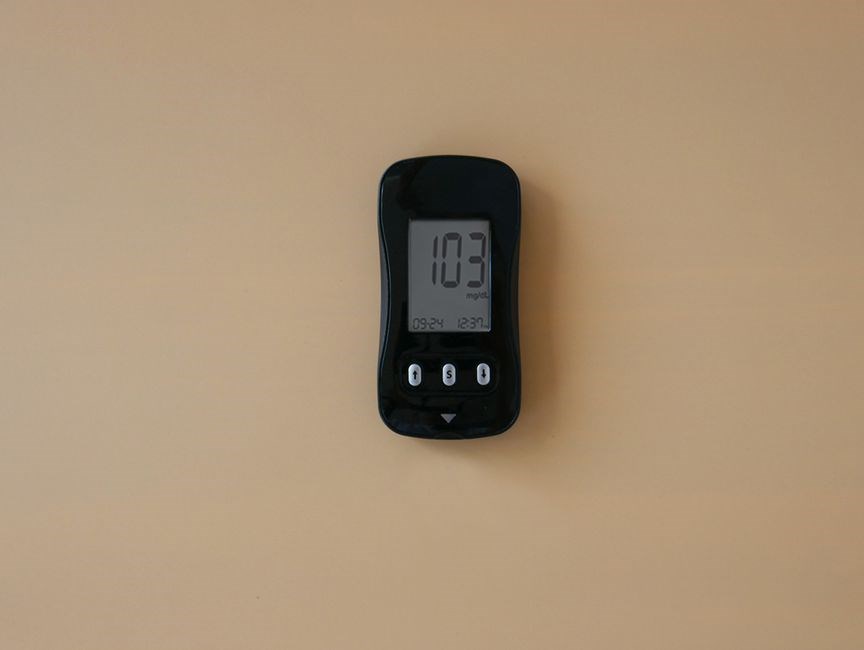
To pair the RELiON Platinum meter with the companion app, first ensure the device’s Bluetooth is enabled by navigating to the device’s Settings menu on the meter’s display. Press the menu button until the Bluetooth icon appears, then tap the icon to activate pairing mode. On your smartphone or tablet, download the official RELiON app from the App Store or Google Play, install it, and open the app. Log in or create a new account, then select “Add Device” from the main dashboard. The app will scan for nearby Bluetooth devices; when the meter’s name (RELiON Platinum) appears, tap it to initiate the connection. A confirmation code will display on both the meter and the app; verify that the codes match and confirm the pairing on both devices. Once paired, the app will automatically download the latest firmware updates. Follow the on‑screen prompts to complete the initial setup, including setting your preferred units (mg/dL or mmol/L), time zone, and notification preferences. After configuration, perform a test blood glucose measurement to ensure data syncs correctly. The app will display the result and store it in the history log, allowing you to review trends and share data with healthcare providers. If the pairing fails, reset the meter’s Bluetooth by selecting “Reset Bluetooth” in the Settings menu and repeat the steps above. Ensure the device’s firmware remains current by enabling automatic updates in the app settings, which guarantees optimal performance and data integrity across all measurements. and keep battery charged.

Operating Procedures
Follow the meter’s step‑by‑step workflow: select Test, apply lancet, insert finger, wait for display, read glucose value, record or sync via Bluetooth. Verify accuracy with control solutions, maintain hygiene, and log results for trend analysis. Ensure regular calibration.!
Conducting a Blood Glucose Test
Before you begin, ensure the RELiON Platinum system is fully charged, the test strips are within their expiration date, and your hands are clean and dry. Remove the protective cap from the lancet device, insert a new lancet, and adjust the depth setting to match your skin type. Press the lancet button firmly to puncture the fingertip, then apply gentle pressure to the puncture site to encourage a small blood drop. Place the drop on the designated area of the test strip, making sure the blood fully covers the sensor pad; Insert the strip into the meter’s strip holder; the device will automatically detect the strip and initiate the test sequence. Within 30 seconds, the meter will display the glucose value, accompanied by a color indicator: green for within target range, yellow for slightly high, and red for high readings. Record the result in your log or sync it to the companion app via Bluetooth. Repeat the process for each finger test, allowing at least 60 seconds between tests to prevent cross‑contamination. If the meter displays an error code, consult the troubleshooting guide or contact support. Proper technique and adherence to the manufacturer’s guidelines ensure accurate, reliable readings and optimal patient safety. Always store test strips in a cool, dry place and replace them before the expiry date to maintain test accuracy. If you notice any irregularities in the meter’s performance, contact the authorized service center promptly for assistance. Never attempt to repair the device yourself; handling can void warranties and safety!!.

Interpreting Test Results
After a successful test, the RELiON Platinum meter displays a numeric glucose value accompanied by a color‑coded indicator: green signifies a result within the target range, yellow indicates a value slightly above the target, and red signals a high reading that may require medical attention. The numeric value is shown in mg/dL (or mmol/L if the unit setting is changed) and is accurate to ±5% of the true value under normal operating conditions. To interpret the result, compare the displayed value against your individualized target range, which is typically set by your healthcare provider. If the reading falls within the green zone, it confirms that your glucose level is within the desired range and no immediate action is needed. A yellow result suggests that your glucose level is approaching the upper limit; consider adjusting your carbohydrate intake, insulin dose, or activity level as recommended by your clinician. A red result indicates a high glucose level that may pose a risk of hyperglycemia; in such cases, you should follow your emergency protocol, which may involve administering insulin, contacting healthcare team. The meter records the timestamp of each test, allowing you to track trends over time. If you encounter any discrepancies between the meter’s reading and your expectations, repeat the test using a fresh strip, ensure proper lancet depth, and verify that the device is calibrated according to the manufacturer’s instructions. Consistent, accurate interpretation of test results is essential for effective diabetes management and for maintaining optimal health outcomes. The meter’s trend arrow shows rising, falling, or stable glucose levels.
Troubleshooting Common Issues
No Display or Blank Screen: Ensure the meter’s battery is fully charged and the power button is pressed for at least 3 seconds. If the screen remains blank, try a different strip type or replace the battery. Verify that the strip is inserted correctly and that the strip holder is clean. 2. Inaccurate Readings: Perform a calibration check by using a reference solution provided with the kit. If the meter still shows inconsistent values, clean the strip holder with a lint‑free cloth and reinsert the strip. Check for moisture or dust on the strip surface; a dry, clean strip is essential for accurate measurement. 3. Error Messages (e.g., “Strip Error” or “Battery Low”): For “Strip Error,” remove the strip, inspect it for damage, and insert a new one. For “Battery Low,” replace the battery with a fresh one and ensure proper polarity. If the error persists, reset the device by holding the power button for 10 seconds. 4. Connectivity Issues: If the meter fails to pair with the companion app, confirm that Bluetooth is enabled on the phone and that the app has the necessary permissions. Restart both the meter and the phone, then attempt pairing again. Ensure the meter’s firmware is up‑to‑date; if not, download the latest update from the manufacturer’s website. 5. Data Sync Problems: When the app does not display recent readings, check the internet connection and that the app is running in the background. Clear the app cache, then re‑sync the data. If the problem continues, uninstall and reinstall the app, during setup