VW Parts Interchange Guide: A Comprehensive Overview (Updated 04/07/2026)
Navigating Volkswagen parts interchange requires diligent research, especially considering variations in engine management and climate control systems across models.
Understanding compatibility, as detailed in resources like the Harper manual and VW Vortex forums, is crucial for successful junkyard tuning and restoration projects.
Volkswagen’s history is marked by a remarkable degree of parts commonality, a legacy stemming from the original Beetle’s design and evolving through subsequent generations. This interchangeability presents both opportunities and challenges for enthusiasts, restorers, and mechanics. The ability to utilize components from different models and years can significantly reduce costs and simplify repairs, particularly for older vehicles where original parts are scarce.
However, successful interchange requires a thorough understanding of which parts are truly compatible. Simply assuming a component will fit can lead to frustration, wasted time, and potentially unsafe conditions; Factors like engine codes, production dates, and trim levels all influence interchangeability. Even within the same model line, variations exist. For example, a Jetta and a GLI, while sharing a chassis, may have incompatible air conditioning systems – manual versus climate control – despite sharing a few components like cabin filters and sensors.
This guide aims to demystify the world of VW parts interchange, providing a comprehensive overview of compatibility across various models and generations. We will explore historical trends, specific model interchanges, and valuable resources to help you navigate this complex landscape effectively.
Why Understanding Interchangeability Matters
Grasping VW parts interchangeability is paramount for several reasons, extending beyond simple cost savings. For classic VWs, original parts can be increasingly difficult – and expensive – to source. Knowing which components from later models can be adapted opens up restoration possibilities, keeping these vehicles on the road. This knowledge is equally vital for performance modifications, often referred to as “junkyard tuning,” where resourceful enthusiasts leverage compatible parts to upgrade their vehicles.
Furthermore, accurate interchange information prevents costly mistakes. Incorrectly fitted parts can compromise safety and functionality. For instance, attempting an engine swap without considering engine management compatibility, as seen with Mk3 and Mk4 intakes, can lead to significant issues. Understanding sensor compatibility – crank, cam, MAF – is also crucial for proper engine operation.
Ultimately, a solid grasp of interchangeability empowers owners to take control of their vehicle’s maintenance and modification, fostering a deeper connection with their VW and a more rewarding ownership experience. Resources like the Harper manual and online forums are invaluable tools in this pursuit.
Historical Context: Early VW Interchangeability
The foundation of VW parts interchangeability was laid in the company’s early history, particularly with the original Beetle and Type 2 (Bus). Ferdinand Porsche’s design philosophy prioritized simplicity and standardization, leading to a remarkable degree of component sharing across these initial models. The 1967-1976 Harper Parts Interchange Manual exemplifies this era, meticulously documenting the identical parts used in various vehicles.
This early interchangeability wasn’t accidental; it was a deliberate strategy to streamline production, reduce costs, and simplify servicing. Mechanics could readily source parts for multiple models, and owners benefited from increased availability. However, even then, subtle variations existed, necessitating careful verification.
As VW’s model range expanded, maintaining complete interchangeability became more challenging. While core components continued to share similarities, model-specific features and upgrades introduced new parts. Nevertheless, the legacy of early standardization continues to influence interchange possibilities today, making understanding this history crucial for enthusiasts.

Classic VW Models (Pre-1980s)
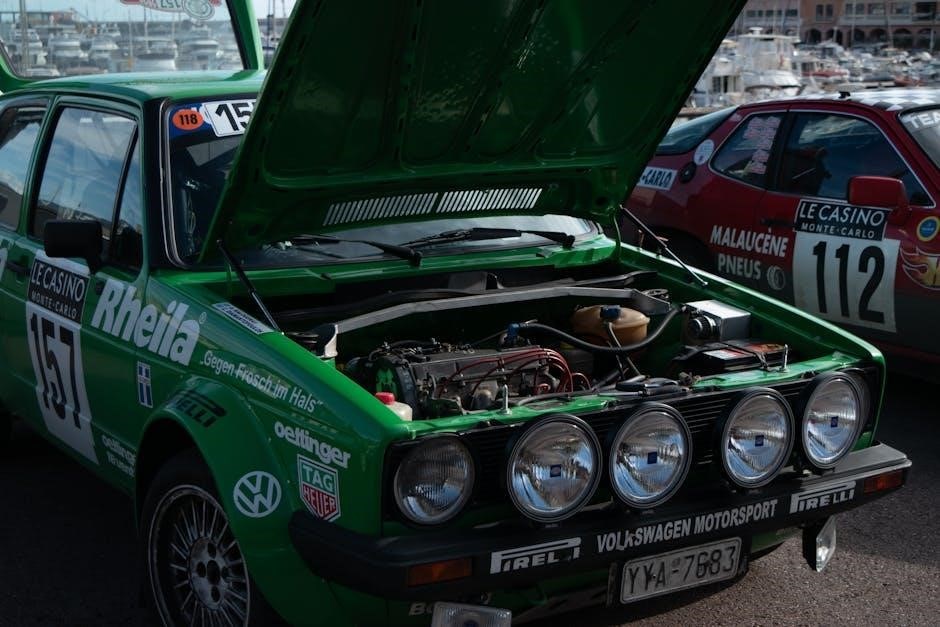
Early VWs—Beetles, Buses, and Type 3s—demonstrate significant parts overlap, aided by the Harper manual and enthusiast communities for identification and sourcing.
Beetle Parts Interchange (1950s-1970s)
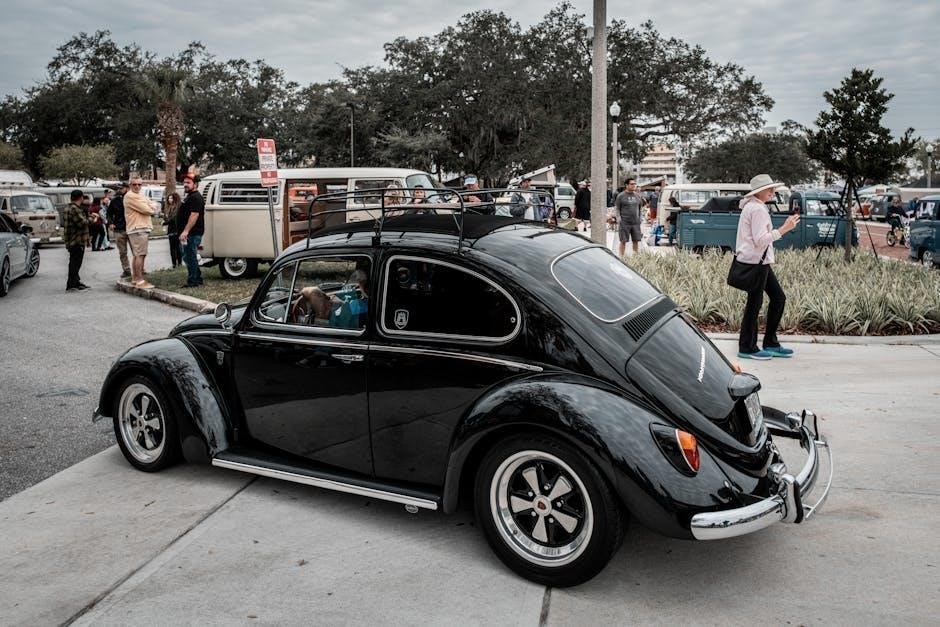
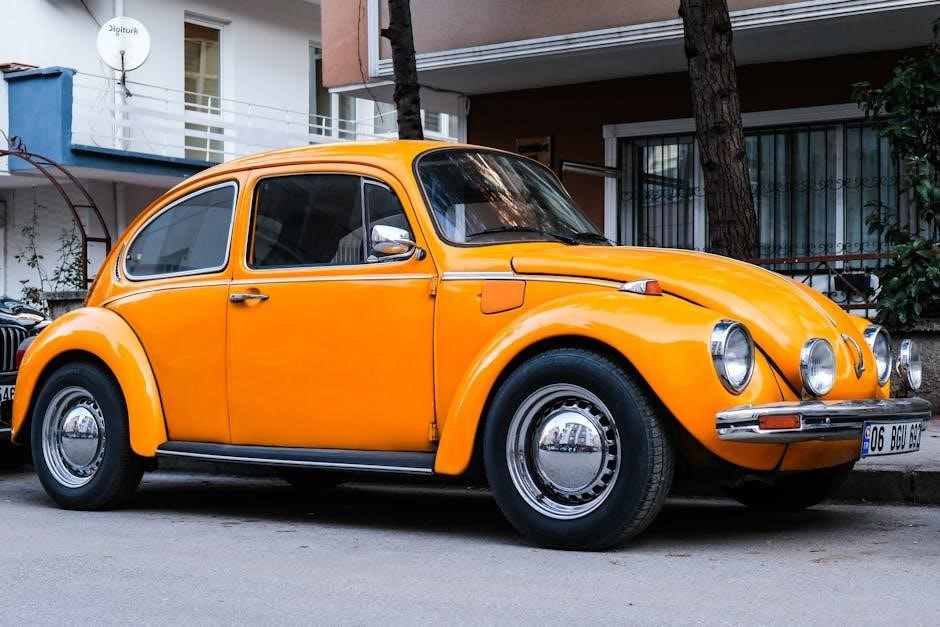
The Volkswagen Beetle, spanning several decades of production, exhibits remarkable parts interchangeability within its model years. Early Beetles (1950s) share a substantial number of components with later iterations up through the 1970s, simplifying restoration and maintenance. However, subtle changes occurred annually, necessitating careful verification.
Key areas of interchangeability include body panels, mechanical components like engines and transmissions (though specific ratios varied), and suspension parts. The 1967-1976 Harper Parts Interchange Manual is an invaluable resource for pinpointing compatible parts across these years.
It’s crucial to note that while many parts fit, they aren’t always identical. For example, engine displacement and compression ratios evolved, impacting performance. Brake systems also underwent modifications. Online forums, such as VW Vortex, provide practical insights from experienced Beetle enthusiasts regarding specific year-to-year compatibility nuances and potential pitfalls when swapping parts.
Type 2 (Bus) Parts Interchange
The Volkswagen Type 2, affectionately known as the Bus, demonstrates significant parts commonality across its various generations (T1, T2, T3). Early split-window Buses (T1) share numerous components with later bay-window models (T2), particularly in the chassis, suspension, and some engine parts.
However, interchangeability decreases with the introduction of the water-cooled T3 generation. While some engine and transmission components may fit, significant differences in mounting points and electrical systems exist. The 1967-1976 Harper manual provides a foundational understanding of early Bus interchangeability.
Engine swaps are common, with many enthusiasts utilizing Beetle engines in Type 2s. VW Vortex forums are a treasure trove of information regarding specific part compatibility, including details on brake upgrades and suspension modifications. Careful consideration of year-specific variations is vital for successful component swaps and restorations.
Type 3 (Squareback, Fastback) Interchange
Volkswagen’s Type 3, encompassing the Squareback, Fastback, and Notchback, exhibits substantial parts interchangeability within the Type 3 family itself. Body panels, interior components, and many mechanical parts are generally compatible across these variations.
However, interchange with other VW models, like the Beetle or Type 2, is more limited. While some engine and suspension components can be adapted, differences in chassis dimensions and mounting points often necessitate modifications.
The 1967-1976 Harper manual is invaluable for identifying specific part numbers and compatible years. Online communities, such as VW Vortex, offer practical insights from experienced owners regarding successful swaps and potential challenges. Careful attention to detail and verifying part numbers are crucial for a seamless restoration or modification process.
Early Golf/Rabbit (Mk1) Interchange
The Mk1 Golf and Rabbit, representing Volkswagen’s shift to front-wheel drive, demonstrate considerable parts sharing amongst themselves, regardless of body style (two-door, four-door, or GTI). Many mechanical components – engines, transmissions, suspension parts – are directly interchangeable.
However, interchangeability with earlier VW models (Beetle, Type 2, Type 3) is minimal due to the fundamentally different chassis and drivetrain layouts. Some brake components or minor trim pieces might be adapted, but significant modifications are usually required.
Resources like the Harper manual, while primarily focused on older VWs, can provide baseline information. VW Vortex forums are a treasure trove of knowledge regarding Mk1-specific interchange details, including successful engine swaps and component upgrades. Always confirm part numbers and consider potential fitment issues.

Mk2 Golf/Jetta Interchangeability
The Mk2 Golf and Jetta platforms exhibit broad parts compatibility, facilitating engine swaps and component upgrades; however, body panel interchange has limitations.
Engine Swaps: Mk2 Golf/Jetta
Mk2 Golf and Jetta engine swaps are remarkably popular due to the platform’s robust nature and the availability of numerous engine options. Successful swaps often involve engines from other VW models, or even Audi, leveraging the shared mechanical components. However, it’s not always a straightforward bolt-on process.
Considerations include engine mounts, wiring harnesses, fuel system compatibility, and cooling system capacity. Adapting wiring can be complex, requiring careful planning and potentially custom fabrication. The fuel system must be matched to the new engine’s requirements, and the radiator and cooling fan may need upgrading to handle increased heat output.
Popular swap choices include the 16V engines, VR6 engines, and even TDI diesel engines. Each swap presents unique challenges, but the Mk2’s relatively simple construction makes it a rewarding project for experienced enthusiasts. Thorough research and meticulous planning are essential for a reliable and enjoyable outcome.
Suspension Component Interchange (Mk2)
Mk2 Golf and Jetta suspension components exhibit a good degree of interchangeability, but subtle differences exist between models and years. Generally, components like shocks, springs, control arms, and sway bars can be swapped between Golf and Jetta variants.
However, GTI models often feature stiffer springs and larger sway bars compared to base models, impacting handling characteristics. When upgrading, consider the intended use – track, street, or a combination. Furthermore, components from different generations of VWs are typically not directly interchangeable.
Careful attention should be paid to brake lines and bushings during suspension work. Worn bushings significantly affect handling, and replacing them is crucial for optimal performance. Upgrading to aftermarket suspension components can further enhance handling and ride quality, but requires careful selection and installation.
Body Panel Interchange (Mk2) ー Limitations
While the Mk2 Golf and Jetta share a common platform, body panel interchange isn’t always straightforward. Doors, fenders, and hoods can be swapped, but fitment issues sometimes arise due to minor manufacturing variations between models and production years.
Specifically, Jetta panels may not perfectly align with Golf bodies, and vice versa, requiring adjustments or bodywork. Differences exist in the number of door seals and mounting points. Furthermore, Cabriolet body panels are largely unique and generally incompatible with Golf or Jetta bodies.
It’s crucial to verify panel compatibility before purchasing, considering the specific year and model. Expect some degree of modification may be necessary for a seamless fit. Rust repair often necessitates panel replacement, making accurate interchange information vital for restoration projects.
Mk3 Golf/Jetta/VR6 Interchange
Mk3 models present unique challenges due to engine management systems; intake modifications and throttle body relocation require expertise, while sensor compatibility needs verification.
Mk3 Engine Management Considerations
The Mk3 Golf, Jetta, and VR6 models necessitate careful attention to engine management when considering parts interchangeability. Unlike later VW platforms, the Mk3’s systems are less forgiving of mismatched components. Specifically, upgrading to intake systems designed for Mk4 models proves difficult.
The Mk4 upper intake manifold incorporates an additional, electronically controlled flap, a feature absent in the Mk3’s system and managed by the Mk4’s more advanced engine control unit (ECU). Simply bolting on a Mk4 intake won’t function correctly without significant modifications to the Mk3’s wiring and ECU programming.
Furthermore, the lower intake arm is a necessary component for a successful Mk4 intake adaptation. Even with these adjustments, relocating the throttle body becomes essential, adding another layer of complexity. Successful interchange requires a deep understanding of the Mk3’s Bosch Motronic system and the implications of altering airflow and sensor inputs.
Intake System Interchange (Mk3/Mk4) ー Challenges
Swapping intake systems between Mk3 and Mk4 Volkswagen models presents notable challenges, primarily due to advancements in engine management. While seemingly a straightforward upgrade, the Mk4 intake manifold’s design introduces complexities incompatible with the Mk3’s existing setup.
The core issue lies within the Mk4 intake’s integrated flap, controlled by the engine management system. This feature is absent in the Mk3, meaning a direct swap won’t function as intended. The Mk3’s ECU lacks the necessary programming to operate this additional component, resulting in poor performance or engine malfunction.
Successfully adapting a Mk4 intake requires not only the lower intake arm but also significant modifications to the Mk3’s wiring harness and ECU. Throttle body relocation is also often necessary, adding further complexity. These modifications demand expertise and careful consideration to avoid compromising engine reliability.
Throttle Body Relocation (Mk3/Mk4)
When attempting an intake system interchange between Mk3 and Mk4 Volkswagen models, throttle body relocation frequently becomes a necessary, though challenging, step. The differing designs of the intake manifolds necessitate adjustments to accommodate the throttle body’s positioning and ensure proper airflow.
This relocation isn’t a simple bolt-on procedure; it demands fabrication skills and a thorough understanding of the engine’s airflow dynamics. The Mk4 intake’s geometry often requires the throttle body to be positioned slightly differently than its original location on the Mk3.
Custom piping and potentially a modified throttle cable are typically required to bridge the gap and maintain a secure connection. Careful attention must be paid to avoid any leaks or restrictions in the airflow path, as these can negatively impact engine performance. While not impossible, it adds complexity to the swap.
Sensor Compatibility (Crank, Cam, MAF)
Sensor interchangeability between Mk3 and Mk4 Volkswagen platforms presents a nuanced challenge, particularly concerning crank, camshaft, and Mass Air Flow (MAF) sensors. While the sensors themselves may be physically interchangeable, compatibility issues often arise with the electrical connectors and wiring harnesses.
The Mk4 models frequently utilize different connector designs compared to their Mk3 predecessors, requiring adapter harnesses or connector pigtail modifications. Simply swapping the sensor without addressing the connector differences can lead to inaccurate readings or complete sensor failure.
Even if the physical connection is established, the sensor’s signal output and interpretation by the engine control unit (ECU) may differ. Thorough research and potentially ECU recalibration are crucial to ensure proper engine operation. MAF sensors, in particular, are sensitive to these discrepancies.

Mk4 Golf/Jetta/New Beetle Interchange
Mk4 chassis components demonstrate significant sharing, but climate control versus manual A/C systems create incompatibility; shared A/C parts are limited to filters and sensors.
Mk4 Chassis Component Interchange
The Mk4 platform, encompassing the Golf, Jetta, and New Beetle, exhibits a considerable degree of chassis component interchangeability. Suspension parts – including control arms, shocks, and springs – are frequently shared between these models, simplifying repairs and modifications. Steering rack compatibility is also common, though variations may exist based on specific trim levels (e.g., GLI versus base models).
Brake components, such as rotors, calipers, and pads, generally interchange, provided the vehicles share the same brake system size. However, it’s vital to verify compatibility based on ABS configuration. Subframes themselves often swap directly, offering opportunities for performance upgrades or damage replacement.
Despite this broad compatibility, careful consideration is necessary. Differences in wiring harnesses or mounting points can arise, particularly when swapping components between a Golf/Jetta and a New Beetle due to the Beetle’s unique chassis. Always double-check part numbers and consult online resources like VW Vortex to confirm interchangeability before proceeding with any swap.
Climate Control vs. Manual A/C Systems

A significant point of incompatibility within the Mk4 family lies between vehicles equipped with manual air conditioning systems and those featuring fully automatic climate control. While some core A/C components – like the cabin filter and certain sensors – are shared, the control units, evaporators, and associated ductwork differ substantially.
Swapping between these systems is rarely a straightforward process. A complete system conversion is typically required, involving not only the physical components but also extensive wiring modifications and potentially, reprogramming of the vehicle’s central control module. The dashboard itself may require alterations to accommodate the different vent configurations.
Jettas often utilized manual A/C systems, while GLIs frequently featured climate control, creating a common scenario for incompatibility. Attempting to mix and match components without a full system swap will likely result in non-functional or improperly operating A/C. Thorough research and a detailed understanding of both systems are essential before undertaking such a conversion.
Shared A/C Components (Mk4)
Despite the broader incompatibilities between manual and climate control A/C systems in Mk4 models, certain components are generally interchangeable across various trims and engine configurations. These shared parts simplify repairs and offer cost-effective solutions for maintaining the A/C system.
Commonly interchangeable components include the cabin air filter, easily accessible for replacement, and specific sensors utilized within the A/C circuit for monitoring temperature and pressure. The compressor itself may be shared between some engine variants, but verifying compatibility via part numbers is crucial.
However, even with shared components, careful attention must be paid to wiring harness connectors and potential software differences. Always cross-reference part numbers and consult reliable resources like online forums (VW Vortex) or parts catalogs to ensure proper fitment and functionality before installation. Ignoring these details can lead to frustrating and costly errors.

Later VW Models (Mk5 & Beyond)
Mk5 and newer VWs exhibit increased platform sharing, leading to greater parts commonality, but identifying interchangeability requires careful VIN decoding and online database searches.
General Trends in Interchangeability (Mk5+)
With the advent of the Mk5 Golf and subsequent models, Volkswagen significantly increased its reliance on shared platforms across various brands within the Volkswagen Group. This strategy dramatically impacts parts interchangeability, creating both opportunities and complexities for enthusiasts and mechanics.
Generally, components within the same platform – such as those shared between the Mk5 Golf, Jetta, and certain Audi models – exhibit a higher degree of interchangeability compared to earlier generations. However, trim levels and specific options can still introduce variations. For instance, differences in suspension components or braking systems based on engine size or package selection are common.
A key trend is the increasing sophistication of electronic systems, which can limit interchangeability even for seemingly identical parts. Module coding and software compatibility become critical factors, requiring specialized tools and knowledge for successful swaps. Furthermore, the move towards more integrated systems means that a change in one component may necessitate adjustments or replacements in others.
Therefore, while platform sharing expands potential interchange options, it also demands a more nuanced understanding of specific vehicle configurations and electronic integration. Relying solely on part numbers is often insufficient; verifying compatibility through detailed research and VIN decoding is essential.
Platform Sharing and Parts Commonality
Modern Volkswagen Group vehicles, particularly from the Mk5 generation onwards, demonstrate extensive platform sharing – a core strategy impacting parts interchangeability. The A5 platform, underpinning models like the Mk5 Golf, Jetta, and Audi A3, showcases significant commonality in chassis components, suspension, and even certain engine and transmission parts.
This sharing extends beyond Volkswagen, encompassing brands like Škoda, SEAT, and Audi, creating a vast network of potentially interchangeable parts. However, it’s crucial to recognize that even within the same platform, variations exist. Different models may receive unique subframes, brake systems, or interior trim pieces.
Engine families, such as the EA888, are frequently utilized across multiple models and generations, increasing the likelihood of finding compatible replacements. However, specific iterations of these engines can have unique components, requiring careful verification.
Understanding these platform relationships is vital for maximizing parts availability and cost-effectiveness. Utilizing parts catalogs and VIN decoders becomes paramount to confirm compatibility, as simply identifying a shared platform isn’t always sufficient to guarantee a direct fit.
Identifying Interchangeable Parts Online
The internet offers numerous resources for determining VW parts interchangeability, but careful validation is essential. Online VW parts catalogs often allow searching by model, year, and even VIN, providing a list of compatible components. However, these catalogs aren’t always exhaustive or error-free.
VW Vortex and similar online forums are invaluable, offering a wealth of knowledge from experienced enthusiasts. Search existing threads or post specific questions regarding interchangeability; user-generated information can be highly accurate, but always cross-reference.
VIN decoders are powerful tools, revealing the original equipment specifications for a specific vehicle. This information can be used to identify compatible parts from other vehicles with similar configurations.
Dedicated parts databases, while sometimes subscription-based, often provide detailed interchange information. Remember to compare data across multiple sources and prioritize information from reputable suppliers and experienced VW communities.
Resources for VW Parts Interchange
Essential resources include the Harper interchange manual, VW Vortex forums, detailed parts catalogs, and VIN decoders for accurate identification and compatibility checks.
VW Parts Interchange Manuals (e.g., 1967-1976 Harper)
For classic Volkswagen enthusiasts, dedicated parts interchange manuals represent an invaluable resource. The 1967-1976 Harper manual, available through platforms like Amazon, is a prime example, boasting 84 pages specifically designed to streamline the identification and procurement of original equipment parts.
These manuals significantly reduce the time spent locating compatible components, offering a clear understanding of which parts from different vehicles are indeed identical. This is particularly useful when sourcing parts for older Beetles, Buses, and Type 3 models where original parts can be scarce or expensive.
The Harper manual’s strength lies in its detailed cross-referencing, allowing owners and restorers to confidently determine interchangeability. While newer vehicles rely heavily on digital databases, these printed manuals remain a cornerstone for those working on pre-1980s VWs, providing a tangible and reliable guide.
Online Forums and Communities (VW Vortex)
VW Vortex, a prominent Volkswagen forum, serves as a dynamic hub for enthusiasts seeking information on parts interchangeability and “junkyard tuning.” The platform’s active community frequently discusses specific compatibility questions, offering real-world experience and insights not always found in formal documentation.
Discussions often delve into the complexities of engine swaps, particularly concerning intake systems and throttle body relocation, as seen with Mk3 and Mk4 models. Users share knowledge regarding potential challenges, like the need for lower intake arms or modifications to engine management systems.
Furthermore, VW Vortex provides valuable clarification on seemingly shared components, such as A/C systems in Jettas and GLIs, highlighting crucial differences like manual versus climate control setups. This collective knowledge base proves invaluable for navigating the nuances of VW parts interchange.
Parts Catalogs and Databases
While dedicated VW parts interchange manuals, like the 1967-1976 Harper guide available on Amazon, offer a foundational understanding, modern parts catalogs and online databases are essential complements. These resources provide detailed parts diagrams and, increasingly, cross-referencing information to identify compatible components across different VW models and years.
However, reliance solely on these databases can be misleading. Interchange information isn’t always comprehensive or accurate, necessitating verification through community forums like VW Vortex. Catalogs often list parts that fit a model, but not necessarily those that are directly interchangeable without modification.
Effective use involves combining catalog data with forum insights and, crucially, utilizing Vehicle Identification Number (VIN) decoders to pinpoint specific vehicle configurations and ensure accurate parts selection. Careful research is paramount for successful interchange projects.
Using VIN Decoders for Interchange Information
Vehicle Identification Numbers (VINs) are critical for precise parts interchange verification. A VIN decoder reveals a vehicle’s original factory configuration – engine type, transmission, options like climate control versus manual A/C, and specific build details. This granular information is vital because seemingly identical models can have significant component differences.
For example, a Jetta and a GLI might share a chassis, but their A/C systems are often incompatible, sharing only a few components like the cabin filter and a sensor. Knowing the original A/C setup via the VIN prevents ordering incorrect parts.
Online VIN decoders are readily available, providing a cost-effective way to confirm compatibility before purchasing. Combining VIN data with parts catalog information and forum discussions ensures the highest probability of successful interchange.