Wound Care Certification Study Guide PDF: A Comprehensive Plan

Embark on a focused journey to certification success! Utilize flashcards‚ detailed questions with explanations‚ and practice resources to confidently pass your wound care exam․
Wound care certification signifies specialized knowledge and skills crucial for optimal patient outcomes․ This journey demands dedicated preparation‚ leveraging resources like comprehensive study guides‚ often available in PDF format․ These guides consolidate essential information‚ streamlining the learning process․
Certification isn’t merely a credential; it demonstrates a commitment to advanced wound management techniques․ Professionals seeking certification – whether through NAWCO‚ ABWM‚ or other bodies – benefit from focused study․
Effective preparation involves understanding core concepts‚ assessment skills‚ and advanced modalities․ PDF study materials offer portability and accessibility‚ allowing for learning anytime‚ anywhere․ Mastering these elements is key to achieving success on the certification exam and providing exceptional patient care․
II․ Understanding the Certification Landscape
Navigating the world of wound care certification requires awareness of available options․ Key players include the National Alliance of Wound Care Organizations (NAWCO) offering the Wound Care Certified (WCC) credential‚ and the American Board of Wound Management (ABWM) with its Wound Care Associate (WCA) certification․
Choosing the right certification depends on your professional goals and practice setting․ Study guides‚ frequently found as downloadable PDFs‚ often tailor content to specific exam requirements․
Beyond these‚ other relevant certifications may exist․ Thorough research is vital; A well-structured PDF study guide will often outline the scope and focus of each certification‚ aiding in informed decision-making and focused preparation for the chosen exam․
A; NAWCO Certification (WCC)
The National Alliance of Wound Care Organizations (NAWCO) offers the highly respected Wound Care Certified (WCC) credential․ To register for the WCC exam‚ a formal application must be submitted directly through the NAWCO website․ This application requires verification of eligibility and potentially‚ official transcripts․
A non-refundable examination fee of $380 is also required upon application․ Effective preparation often involves utilizing a dedicated wound care certification study guide‚ frequently available in PDF format․
These guides specifically address the WCC exam content‚ ensuring focused study․ Successful candidates demonstrate a comprehensive understanding of wound care principles and best practices‚ as assessed by NAWCO’s rigorous examination․
B․ ABWM Certification (Wound Care Associate)
The American Board of Wound Management (ABWM) provides the Wound Care Associate (WCA) certification‚ a valuable credential for healthcare professionals․ Preparation for this exam benefits greatly from a focused wound care certification study guide‚ often found as a downloadable PDF․
These study materials concentrate on the core knowledge areas assessed by the ABWM‚ including wound etiology‚ assessment‚ and management techniques․ Resources often include practice questions and detailed explanations to reinforce learning․
Candidates should review ABWM’s specific eligibility requirements and application process before beginning their studies․ A solid understanding of wound care principles is crucial for success on the WCA exam․
C․ Other Relevant Certifications
Beyond NAWCO and ABWM‚ several other certifications can enhance your wound care expertise․ While a dedicated wound care certification study guide PDF often focuses on the primary exams‚ understanding these options is beneficial․
Consider certifications in areas like hyperbaric oxygen therapy or diabetic wound care‚ depending on your specialization․ These often require specific coursework and clinical hours․ Resources for these certifications may include specialized textbooks and online modules․
Exploring these credentials demonstrates a commitment to advanced knowledge and can improve patient outcomes․ Always verify the accreditation and recognition of any certification before pursuing it․
III․ Core Wound Care Concepts
A robust wound care certification study guide PDF will heavily emphasize foundational concepts․ Understanding wound etiology and pathophysiology is paramount – grasping why wounds develop and how the body responds․
Familiarize yourself with various wound classification systems; these provide a standardized language for assessment and treatment․ Key areas include acute vs․ chronic wounds‚ and differentiating between pressure injuries‚ ulcers‚ and traumatic wounds․
Mastering these core principles forms the bedrock for effective assessment‚ intervention‚ and ultimately‚ successful certification exam performance․ Expect detailed questions on these topics․
A․ Wound Etiology and Pathophysiology
A comprehensive wound care certification study guide PDF must thoroughly cover wound etiology – the causes of wounds․ This includes understanding factors like pressure‚ shear‚ friction‚ moisture‚ and underlying medical conditions (diabetes‚ vascular insufficiency)․
Pathophysiology‚ the body’s response to injury‚ is equally crucial․ Study the phases of wound healing (hemostasis‚ inflammation‚ proliferation‚ remodeling) and how disruptions in these phases impede progress․
Expect exam questions on inflammatory mediators‚ growth factors‚ and the impact of systemic diseases on the healing process․ A strong grasp of these concepts is fundamental to effective wound management․
B․ Wound Classification Systems
A robust wound care certification study guide PDF will dedicate significant attention to wound classification․ Mastering these systems is vital for accurate assessment and treatment planning․

Focus on understanding pressure injury staging (Stage 1-4‚ unstageable‚ deep tissue injury) as defined by the National Pressure Injury Advisory Panel (NPIAP)․
Additionally‚ familiarize yourself with classifications for arterial‚ venous‚ and diabetic ulcers․ Learn to differentiate between these based on characteristics like location‚ appearance‚ and underlying cause․
The ability to correctly classify wounds is essential for selecting appropriate dressings and interventions‚ and will be heavily tested on the certification exam․
IV․ Essential Assessment Skills
A comprehensive wound care certification study guide PDF must thoroughly cover essential assessment techniques․ Accurate evaluation forms the foundation of effective wound management․
Expect detailed instruction on wound measurement – length‚ width‚ depth‚ undermining‚ and tunneling․ Understand various methods and tools for precise documentation․
Mastering comprehensive wound documentation is crucial; learn to describe wound characteristics accurately‚ including tissue type‚ exudate‚ and surrounding skin condition․
Photographic documentation is also key – understand proper techniques for consistent imaging to track healing progress․ These skills are vital for demonstrating clinical reasoning and justifying treatment plans․
A․ Wound Measurement Techniques
A robust wound care certification study guide PDF dedicates significant attention to precise measurement․ Mastering these techniques is paramount for tracking healing and evaluating treatment efficacy․
Learn to accurately assess length‚ width‚ and depth using tools like rulers‚ calipers‚ and specialized wound measurement devices․ Understand how to measure undermining and tunneling‚ often challenging aspects of wound assessment․
The guide should detail standardized methods for consistent measurements‚ minimizing variability between assessments․
Emphasis should be placed on documenting measurements clearly and concisely‚ utilizing appropriate units and terminology․ Accurate records are essential for demonstrating progress and informing care decisions․
B․ Comprehensive Wound Documentation
A thorough wound care certification study guide PDF will stress the importance of detailed and accurate documentation․ This isn’t simply recording measurements; it’s a holistic record of the wound’s condition and the patient’s response to treatment․
Expect to learn about documenting wound characteristics – location‚ size‚ depth‚ undermining‚ tunneling‚ exudate‚ and surrounding skin condition․
The guide should cover appropriate terminology and standardized charting practices․
Crucially‚ it will emphasize documenting interventions performed‚ patient education provided‚ and any observed complications․ Complete documentation supports continuity of care‚ legal defensibility‚ and reimbursement claims․
C․ Utilizing Photographic Documentation
A robust wound care certification study guide PDF will dedicate significant attention to photographic documentation․ This visual record provides an objective baseline and tracks healing progress more effectively than words alone․
The guide should detail proper techniques: consistent lighting‚ a size reference marker in each photo‚ and standardized angles․
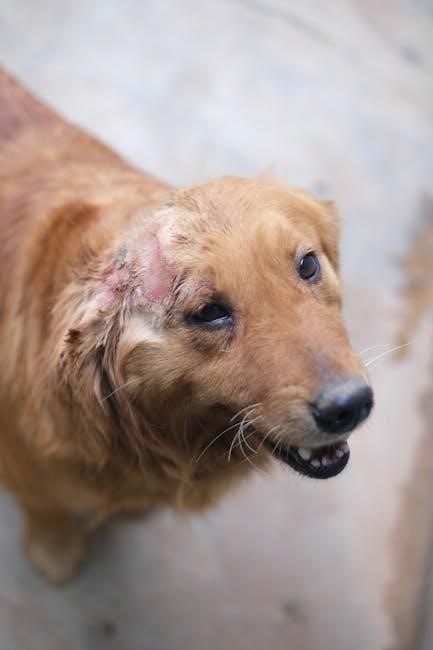
It will also cover patient privacy and obtaining informed consent before taking any photographs․
Understanding how to integrate these images into the patient’s record‚ and their value in communicating wound status to other healthcare professionals‚ is vital for certification success․ Proper photographic documentation is a cornerstone of quality wound care․
V․ Wound Bed Preparation & Management

A comprehensive wound care certification study guide PDF will thoroughly explore wound bed preparation and management techniques․ This section is crucial‚ covering the foundational principles of creating an optimal healing environment․
Expect detailed explanations of debridement methods – sharp‚ autolytic‚ enzymatic‚ and mechanical – outlining indications and contraindications for each․
The guide will emphasize the importance of moisture balance and a systematic approach to dressing selection based on wound characteristics․
Understanding how to assess and address biofilm‚ and the role of various advanced wound dressings‚ are key components of successful wound healing․
A․ Debridement Techniques (Sharp‚ Autolytic‚ Enzymatic‚ Mechanical)
A robust wound care certification study guide PDF dedicates significant attention to debridement‚ a cornerstone of wound management․ Expect in-depth coverage of sharp debridement‚ detailing proper technique‚ safety protocols‚ and patient selection criteria․
The guide will contrast this with autolytic debridement‚ explaining how to leverage the body’s own enzymes using appropriate dressings․
Furthermore‚ enzymatic and mechanical debridement methods will be thoroughly examined‚ including their advantages‚ disadvantages‚ and specific applications․
Understanding indications‚ contraindications‚ and potential complications for each technique is vital for exam success and clinical practice․
B․ Moisture Balance & Dressing Selection
A comprehensive wound care certification study guide PDF emphasizes the critical importance of maintaining optimal wound bed moisture․ Expect detailed explanations of the moisture balance concept and its impact on healing rates․
The guide will cover a wide array of dressing types – from foams and films to alginates and hydrocolloids – outlining their absorption capacities‚ indications‚ and contraindications․
You’ll learn to match dressing selection to wound characteristics like exudate level‚ depth‚ and presence of infection․
Understanding how different dressings promote or inhibit autolytic debridement is also crucial‚ preparing you for exam questions and real-world scenarios․
VI․ Advanced Wound Care Modalities
A thorough wound care certification study guide PDF will dedicate significant attention to advanced therapies․ Expect in-depth coverage of Negative Pressure Wound Therapy (NPWT)‚ detailing its mechanisms‚ appropriate wound types‚ and potential complications․
Hyperbaric Oxygen Therapy (HBOT) will be explored‚ including its physiological effects and indications for conditions like diabetic wounds and radiation injuries․
The guide will also address bioengineered skin substitutes‚ comparing different types (e․g․‚ cellular and acellular) and their application in complex wound healing․
Understanding the cost-effectiveness and evidence-based practice surrounding these modalities is vital for certification success․
A․ Negative Pressure Wound Therapy (NPWT)
A comprehensive wound care certification study guide PDF must thoroughly explain Negative Pressure Wound Therapy (NPWT)․ This includes understanding the principles of applying subatmospheric pressure to promote wound healing through increased perfusion and granulation tissue formation․
The guide should detail various NPWT systems‚ dressing selection‚ and appropriate wound bed preparation․ Expect coverage of indications – diabetic ulcers‚ pressure injuries‚ and traumatic wounds – as well as contraindications like exposed bone or untamed fistulas․
Furthermore‚ the PDF should address potential complications such as bleeding‚ infection‚ and periwound skin damage‚ alongside proper troubleshooting techniques․
B․ Hyperbaric Oxygen Therapy (HBOT)
A robust wound care certification study guide PDF necessitates a detailed exploration of Hyperbaric Oxygen Therapy (HBOT)․ This involves understanding how increased oxygen levels within a pressurized chamber stimulate tissue repair and angiogenesis‚ crucial for chronic wound healing․
The guide should cover the physiological effects of HBOT‚ including oxygen diffusion and the reduction of bacterial growth․ Expect discussion on appropriate wound types – diabetic foot ulcers‚ radiation injuries – and patient selection criteria․
Crucially‚ the PDF must address potential risks and contraindications‚ such as pneumothorax and oxygen toxicity‚ alongside proper safety protocols and chamber operation․
C․ Bioengineered Skin Substitutes
A comprehensive wound care certification study guide PDF must thoroughly cover bioengineered skin substitutes․ These advanced therapies utilize living or derived cellular components to promote wound closure‚ particularly in complex or non-healing wounds․
The guide should detail various types – allografts‚ xenografts‚ and synthetic matrices – explaining their composition‚ mechanisms of action‚ and indications for use․ Understanding application techniques‚ proper wound bed preparation‚ and post-application care is vital․
Furthermore‚ the PDF should address cost considerations‚ reimbursement challenges‚ and potential complications like infection or graft failure․ Knowledge of current product availability and emerging technologies is also essential․
VII․ Specific Wound Types & Management
A robust wound care certification study guide PDF dedicates significant attention to specific wound etiologies․ Mastery of pressure injury staging – from stage 1 to unstageable – and preventative strategies is crucial․
The guide must detail diabetic foot ulcer management‚ emphasizing neurovascular assessment‚ offloading techniques‚ and infection control․ Venous leg ulcer care requires understanding compression therapy and addressing underlying venous insufficiency․
Arterial ulcer management necessitates a focus on vascular assessment‚ pain control‚ and limb preservation strategies․ The PDF should also cover less common wounds‚ providing a holistic understanding of diverse clinical presentations and appropriate interventions․
A․ Pressure Injuries (Staging & Prevention)
A comprehensive wound care certification study guide PDF thoroughly covers pressure injury staging‚ detailing characteristics of Stage 1 through Stage 4‚ and unstageable wounds․ Deep tissue injury assessment is also critical․
Prevention strategies are paramount; the guide should emphasize risk assessment tools like the Braden Scale‚ proper skin care protocols‚ and frequent repositioning schedules․ Nutritional support’s role in wound healing must be addressed․
Understanding support surfaces – their types and appropriate use – is essential․ The PDF should also cover documentation requirements and the importance of interdisciplinary collaboration in pressure injury prevention and management․
B․ Diabetic Foot Ulcers
A robust wound care certification study guide PDF dedicates significant attention to diabetic foot ulcers‚ outlining their unique etiology linked to neuropathy‚ peripheral artery disease‚ and impaired immune function․ Proper foot assessment‚ including monofilament testing‚ is crucial․
The guide should detail ulcer classification (Wagner classification is key) and emphasize offloading techniques – total contact casts‚ specialized footwear‚ and removable cast walkers․
Management strategies‚ including glycemic control‚ vascular assessment‚ and infection control‚ are vital․ Understanding the role of revascularization and appropriate dressing selection for these complex wounds is essential for certification success․
C․ Venous Leg Ulcers
A comprehensive wound care certification study guide PDF will thoroughly cover venous leg ulcers‚ emphasizing their pathophysiology related to venous insufficiency and hypertension․ Expect detailed explanations of compression therapy – the cornerstone of treatment – including different compression bandage systems and graduated compression stockings․
The guide should address accurate wound assessment‚ including Ankle-Brachial Index (ABI) measurements to rule out arterial disease․
Effective management includes edema control‚ proper wound cleansing‚ and appropriate dressing selection to promote healing․ Understanding the importance of patient education regarding leg elevation and adherence to compression therapy is crucial for exam preparation․
D․ Arterial Ulcers
A robust wound care certification study guide PDF must dedicate significant attention to arterial ulcers‚ stemming from Peripheral Arterial Disease (PAD)․ Expect in-depth coverage of risk factors like diabetes‚ smoking‚ and hypertension‚ alongside detailed explanations of the compromised blood flow leading to tissue ischemia and ulceration․
The guide should emphasize the critical importance of vascular assessment‚ including pulse palpation and Doppler studies‚ to determine the severity of arterial insufficiency․
Management focuses on revascularization when possible‚ pain control‚ and meticulous wound protection; Understanding the contraindications to compression therapy in arterial disease is vital for exam success․
VIII․ Infection Control in Wound Care
A comprehensive wound care certification study guide PDF will thoroughly address infection control protocols․ Expect detailed sections on recognizing signs of wound infection – increased pain‚ redness‚ edema‚ purulent drainage‚ and odor – differentiating them from normal wound healing responses․
The guide should cover appropriate wound cleansing techniques‚ sterile dressing application‚ and the judicious use of antimicrobial dressings like silver-impregnated or honey-based products․
Understanding systemic signs of infection (fever‚ elevated WBC count) and antibiotic stewardship is crucial․ Exam questions will likely focus on differentiating colonization from infection and appropriate documentation;
A․ Recognizing Wound Infection

A quality wound care certification study guide PDF dedicates significant attention to identifying wound infection․ Key indicators include changes in wound appearance: increased redness extending beyond the wound edges‚ swelling‚ and warmth․ Pay close attention to drainage characteristics – a shift from serous to purulent (pus) is critical․
The guide will emphasize differentiating normal inflammatory responses from infection․ Look for increased pain disproportionate to the wound size‚ delayed healing‚ and the presence of foul odor․
Systemic signs like fever‚ chills‚ and elevated white blood cell count are also vital to recognize‚ signaling a potential systemic infection requiring immediate intervention․
B․ Antimicrobial Dressings & Therapies
A comprehensive wound care certification study guide PDF will thoroughly cover antimicrobial dressings and therapies․ Silver-based dressings are frequently discussed‚ detailing their mechanism of action against a broad spectrum of bacteria․ The guide will explain appropriate applications and potential for silver toxicity with prolonged use․
Other options like honey-impregnated dressings‚ polyhexamethylene biguanide (PHMB)‚ and cadexomer iodine will be explored‚ outlining their specific uses and limitations․
The importance of judicious antimicrobial use‚ avoiding overuse to prevent resistance‚ will be emphasized․ Topical antibiotics and systemic antibiotic therapy considerations will also be included․
IX․ Legal and Ethical Considerations
A robust wound care certification study guide PDF dedicates significant attention to legal and ethical responsibilities․ It will detail informed consent requirements for procedures like debridement‚ ensuring patients understand risks and benefits․ Documentation accuracy is paramount; the guide stresses the importance of objective wound assessments and clear‚ concise charting to mitigate legal risks․
Scope of practice limitations for different healthcare professionals will be clearly defined․ Patient privacy (HIPAA compliance) and reporting obligations (e․g․‚ suspected abuse) are crucial components․
Ethical dilemmas‚ such as resource allocation and end-of-life care decisions‚ will be addressed‚ promoting patient advocacy and ethical decision-making․
X․ Resources for Certification Preparation
A comprehensive wound care certification study guide PDF will list essential resources․ Recommended study guides and textbooks form the foundation‚ providing in-depth knowledge․ Online practice exams and question banks are vital for self-assessment and identifying knowledge gaps – look for those with detailed rationales․
Effective utilization of PDF study materials is key; annotation tools‚ highlighting‚ and creating summaries enhance learning․ Explore professional organizations like NAWCO and ABWM for additional resources‚ webinars‚ and study groups․
Consider video tutorials and online courses to supplement your learning․ Accessing current clinical practice guidelines is also crucial for exam success․

A․ Recommended Study Guides & Textbooks
A solid wound care certification study guide PDF should direct you to core texts․ Look for comprehensive resources covering wound etiology‚ assessment‚ and management․ “Wound Care Practice Illuminated” is frequently recommended‚ offering a detailed overview of essential concepts․
“Lexicon of Wound Management” provides a valuable glossary of terms․ Supplement these with textbooks on dermatology and vascular surgery for a broader understanding․ Ensure materials are current‚ reflecting the latest clinical guidelines and evidence-based practices․
Consider texts specifically geared towards the NAWCO or ABWM certifications‚ as they align with exam content․
B․ Online Practice Exams & Question Banks
Maximizing your score with a wound care certification study guide PDF requires robust practice․ Online question banks are invaluable for simulating the exam environment and identifying knowledge gaps․ Several platforms offer practice exams mirroring the format and difficulty of the actual certification assessment․
Look for resources with detailed rationales for both correct and incorrect answers – this enhances learning․ Focus on areas where you consistently struggle․ Utilize timed practice tests to build exam stamina and improve time management skills․
Regularly assess your progress and adjust your study plan accordingly․
C․ Utilizing PDF Study Materials Effectively
A wound care certification study guide PDF offers portability and focused learning․ To maximize its effectiveness‚ actively engage with the material․ Don’t just passively read; highlight key concepts‚ annotate with questions‚ and create summaries;
Break down large PDFs into manageable sections for focused study sessions․ Utilize PDF reader features like search to quickly locate specific information․ Combine PDF study with practice questions to reinforce learning and identify areas needing further review․
Regularly revisit the PDF to refresh your knowledge and solidify understanding․
XI․ Exam Strategies & Tips
Preparing with a wound care certification study guide PDF requires strategic exam techniques․ Prioritize time management during the exam; allocate sufficient time to each question․ Read each question carefully‚ identifying key words and concepts․ Eliminate obviously incorrect answers to narrow your choices․
Don’t dwell on difficult questions; flag them and return later․ Utilize the process of elimination to increase your chances of selecting the correct answer․ Review your answers before submitting‚ ensuring no careless errors․
Remember to stay calm and focused throughout the exam process‚ trusting your preparation!
XII․ Post-Certification Requirements & Continuing Education
Maintaining your wound care certification‚ supported by your study guide PDF‚ necessitates ongoing professional development․ Certification bodies like NAWCO require recertification‚ often involving continuing education units (CEUs)․ These CEUs demonstrate a commitment to staying current with evolving wound care practices․

Actively seek opportunities for continuing education‚ including workshops‚ conferences‚ and online courses․ Document all CEU activities meticulously for recertification submission․ Regularly review updated guidelines and research in wound care to enhance your expertise․
Lifelong learning is crucial for providing optimal patient care and upholding your certification status․